Our unit on floating and sinking is coming to a close. Remember that in standards-based grading, your grade is based on your content knowledge. It is never too late to improve. To jog your memory, here are two recent activities we've done in class.
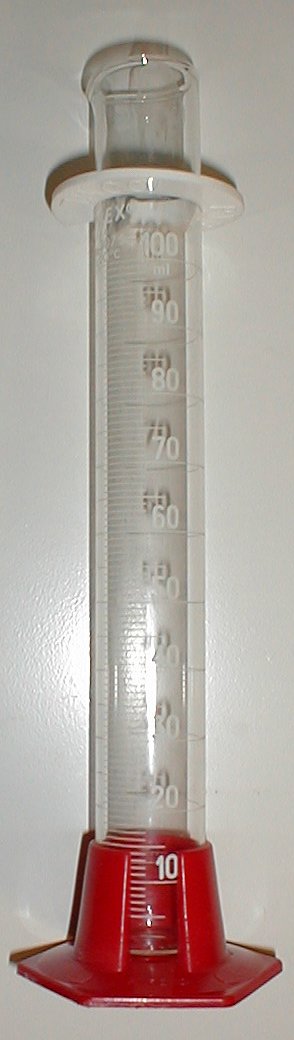
We built and sunk aluminum foil boats. In the first part, we built a small, medium, and large boat. Then we put pennies in them until they sunk. Using our triple beam balance and graduated cylinder, we found the mass and volume. Using the formula: density = mass/volume we were able to find the density.
In part two, our task was to design boats that would hold a minimum amount and then sink. For example, the first boat needed to hold 15 pennies and sink by the time it got to 20. By finding the mass of 15 pennies, we were able to predict the volume the boat would need to be. This time we built a boat using the formula: volume = length * width * height.
Today we created rainbow density columns. The goals was to create a liquid rainbow in a graduated cylinder using only food coloring, sugar, and water. The less dense liquids floated on top of the more dense ones. Here are some examples.


 Posts
Posts